
The first rule of investing is to “buy low, sell high.” However, when markets grow choppy, we tend not to buy more and will often sell. When markets are calm, we grow more confident in our portfolios. It’s at those times we’re likely to invest more. The fear and greed cycle leads investors to buy high and sell low.
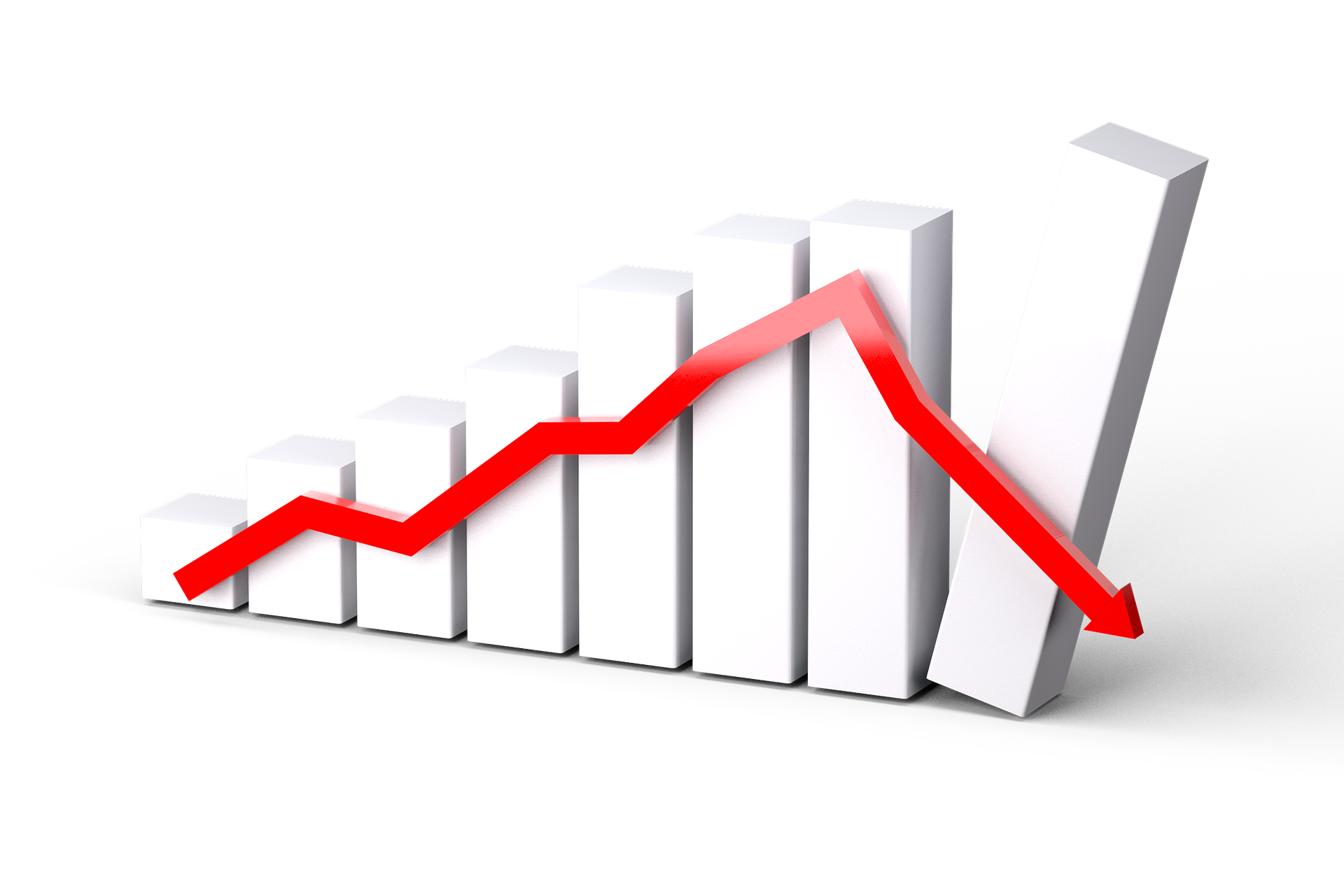
It’s vital to maintain realistic expectations for how markets actually behave. Setting realistic expectations for your investments is key to make mindful decisions on when to buy and sell. Conventional wisdom says that stocks return “about 10% per year.” There’s a grain of truth to that, but it doesn’t account for what investors really experience in the market. Stocks can be very volatile in the short term, producing large performance swings. It’s only over multi-year periods that the distribution of stock market outcomes narrows and we approach long-term historical averages.
Calendar year market returns are random. Often up, sometimes down, we almost never experience an “average” year. Rarely a year goes by when there’s not a meaningful drawdown. In years when there’s only a shallow drawdown, it becomes easy to quickly forget the emotional angst associated with market declines. Big drawdowns in the stock market have been a common occurrence. In the past 60 years, only six calendar year returns of the U.S. stock market have been within 2% of its long-term average.
What Really Matters
It’s easy to get swept away in the noise of the markets and the allure of many interesting investment opportunities. The potential for outsized riches compels us to remain mired in detail. It’s harder than ever to stay focused on what really matters.
1. Grow your wealth, but do so without taking excessive risk.
2. Fund your spending needs, but beware of chasing higher yields or aggressive withdrawal rates.
3. Keep yourself prepared for sharp market drawdowns and control your emotions. Also, remind yourself, when the markets are doing well, don’t be overly greedy.
Too many investors focus on “beating the market” or hot investment trends because it’s easier to focus on daily market activity than on long-term goals. Planning requires us to look far into the future, make decisions about the life we want to lead, and then step back to allow for the plan to work. Thinking long-term and doing nothing are not easy! Beating an arbitrary index or
outpacing other investors is not relevant to achieving the things that really matter to us: a new home, a college education, or a comfortable retirement.
We are resource and are here to help. Stay focused on what matters. And enjoy the ride!